9+ curated guides • Updated October 2025
You've seen them all over your feed: the puffy nylon totes, the crystal-encrusted clutches, the Y2K-revival shoulder bags. But while everyone else is telling you what to buy, we're here to tell you what to avoid. We're dissecting 2022's biggest bag trends to reveal which 'must-haves' are destined for the back of the closet by 2023. Think of us as your portfolio manager, but for your wardrobe. Our goal isn't to chase fleeting highs; it's to build long-term value and protect you from the inevitable market correction of trends.
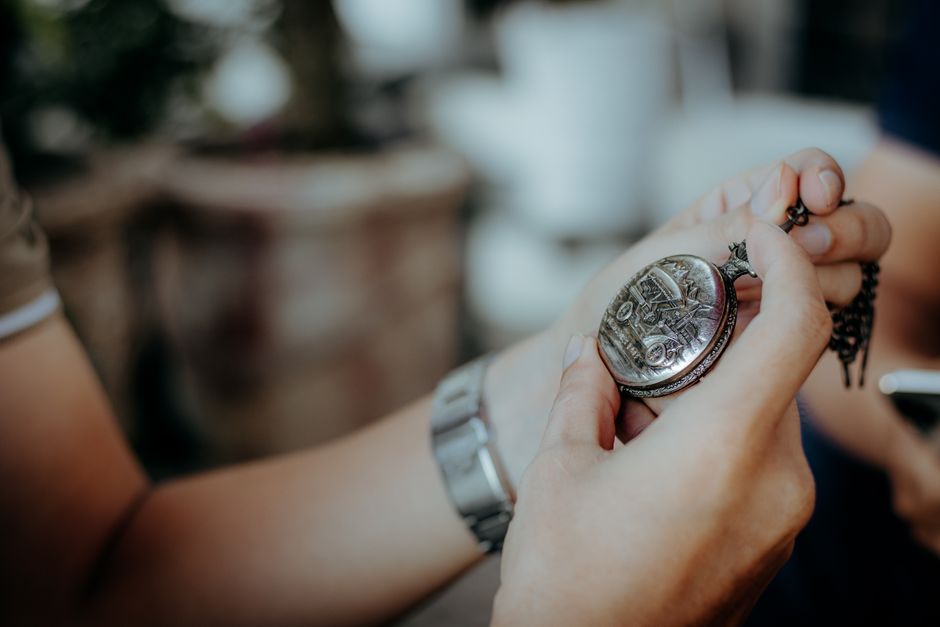
We're taught that heirlooms are born from precious metals and priceless gems, passed down in velvet-lined boxes. But in an age of disposable trends, the most radical act of legacy-building is to choose jewelry with a past, transforming a forgotten vintage brooch or necklace into a story your family will tell for generations to come. This isn't about collecting antiques; it's about active curation. It's a deliberate choice to imbue an object with personal history, creating a future artifact whose value is measured not in carats, but in character and memory. We will explore how to shift your perspective from consumer to curator, and why a $50 Bakelite bangle can hold more future value than a mass-produced bauble.
You've scrolled through a thousand identical gold-plated hoops and mass-produced beaded bracelets, feeling nothing. What if the most compelling accessory wasn't the one that followed a trend, but the one that carried a story? This guide isn't just a list of stores; it's a curated collection of portals to pieces with provenance, soul, and a history waiting to be worn. As a style anthropologist, I've observed that we've been conditioned to see accessories as disposable punctuation marks to an outfit. But their true power lies in their ability to be anchors—to a memory, a place, a person, or a craft. This guide bypasses the digital noise of fast fashion to spotlight nine archetypes of retailers who treat their collections not as inventory, but as a museum of wearable art. Here, you won't find what's 'in'; you'll find what lasts.
Remember 2022? It was the year we tentatively stepped back into the world, armed with a strange mix of optimism and apprehension. But what if the clearest record of that cultural mood wasn't in the headlines, but hanging from our shoulders? This isn't just a look back at popular purses; it's an autopsy of the accessories that defined our collective psyche. Handbags are never just containers for our keys and wallets; they are vessels for our intentions, anxieties, and aspirations. In 2022, as we navigated the awkward space between lockdown and a 'new normal,' the accessories we chose became powerful, non-verbal declarations of our inner state. From the cavernous tote to the impractical micro-bag, each trend was a chapter in our collective story of re-emergence. This analysis decodes the three dominant handbag archetypes of the year, revealing what they said about who we were and who we wanted to become.
You think you're just grabbing a shawl for warmth or a splash of color? Think again. That simple wrap is a powerful psychological tool, capable of acting as both your social armor and your personal spotlight. We'll move beyond basic styling tips to explore how the weight, drape, and texture of a shawl can fundamentally change how you feel—and how the world sees you. This isn't about fashion trends; it's about neural pathways. The concept of 'enclothed cognition' reveals that what we wear directly influences our cognitive processes. A shawl, with its unique versatility and physical presence, offers a masterclass in this phenomenon. It's an accessory that doesn't just complete an outfit—it re-engineers the wearer's entire physical and mental presence from the outside in.
Remember 2022? It was the year of the viral micro-mini, the Y2K revival, and a whole lot of statement belts. Now that the dust has settled, we're looking back to grade the biggest belt trends of the year to see which were a smart investment, and which are now collecting dust in the back of your closet. As a trend forecaster, I see styles rise and fall like the tide. But the real skill isn't just identifying the next big thing; it's discerning the wave from the ripple. This report card isn't about shaming your past purchases. It's a post-mortem examination designed to sharpen your sartorial eye. We'll dissect the major players—from the flimsy chain belts to the architectural corset styles—and assign them a final grade based on longevity, versatility, and overall impact. Consider this your official transcript for smarter accessorizing.
It’s the viral trend that fills your feed: friends discovering they look like Zendaya or Chris Hemsworth. But beyond the momentary thrill, have you ever questioned why we're so obsessed with finding our celebrity twin, and whether the AI telling you the answer is even seeing your face clearly? This isn't just a harmless game. It's a fascinating intersection of our deep-seated psychological needs for validation and the deeply flawed technology we've invited to judge us. We're handing over our biometric data for a fleeting digital compliment, generated by algorithms that are often as biased as any human eye.
You've read the glowing reviews: butlers who anticipate your every need, staff who remember your drink order after one day. But there's a secret gatekeeper to that onboard paradise, and it's often a frustrating, labyrinthine shore-side customer service experience. This is the insider's guide to conquering the pre-cruise maze to ensure the modern luxury you were promised. I've sailed with Celebrity more times than I can count. I'm a Captain's Club loyalist through and through because, once you step across that gangway, the experience is second to none. But I've also spent more hours on hold with their pre-cruise support than I'd care to admit. This isn't a complaint letter; it's a playbook. Consider me your seasoned guide who's found the cheat codes to a game that's notoriously difficult, but with a jackpot that's absolutely worth winning.
You've likely heard it called a 'pearl stone,' a term that neatly files it away with diamonds and rubies. Yet, this simple phrase masks the pearl's rebellious secret: it's not a stone mined from the earth, but a treasure born from a living creature. This distinction isn't just a scientific detail—it's the very key to understanding a pearl's true magic, its delicate nature, and its timeless allure. In my years as a gemologist, I've found no greater misunderstanding than this simple misnomer. To call a pearl a 'stone' is to overlook the miracle of its creation. It is to ignore the quiet collaboration between an organism and an irritant, a process that spins discomfort into luminous beauty. This article will unravel that paradox, taking you from the ocean floor to your jewelry box, revealing why the pearl's organic soul makes it one of the most captivating, and demanding, gems in the world.